
Radisson Hotel Group is recalibrating its development strategy across the Middle East, North-East Africa, and the Eastern Mediterranean, leaning heavily into asset-light vehicles to drive speed-to-market. By doubling down on property conversions, ramping up its franchise footprint, and integrating branded residences into mixed-use schemes, the group is positioning itself as a pragmatic, cost-conscious partner for regional owners navigating rising construction costs and shifting travel patterns.
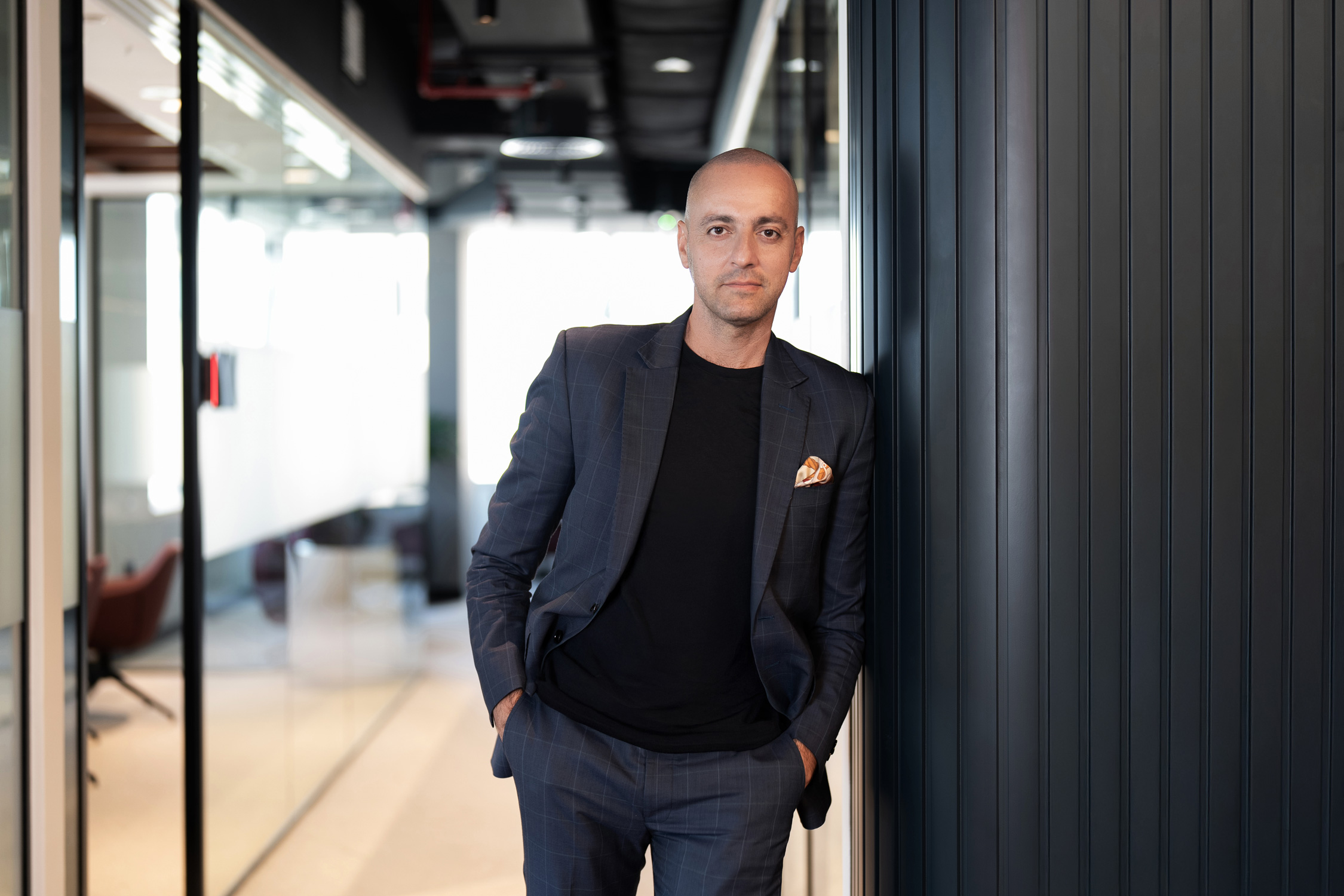
In an interview with TTN Middle East, Elie Milky, Chief Development Officer for the Middle East, Cyprus, and Greece at Radisson Hotel Group, outlined how the group’s multi-brand development pipeline is anchored in owner flexibility, resilient extended-stay revenue, and rapid entry into both established powerhouses and post-crisis markets.
Milky’s weekly travel schedule mirrors the geographic momentum within his remit, where Saudi Arabia, Egypt, Greece, and the UAE are doing the heavy lifting.
"Most of my travels are to Saudi Arabia, followed by Greece, alongside regular trips to Egypt and ad hoc visits across Lebanon, Jordan, Oman, Bahrain, and the wider GCC," Milky says. "We continue to expand aggressively in Saudi Arabia due to an exceptionally strong pipeline, while Egypt is booming for us - our development targets keep rising, and the team is scaling up to meet a record year."
Beyond master-planned resort destinations, Radisson is maintaining strong urban momentum, recently taking over an existing property in Dubai’s Barsha Heights and signing new branded residence projects in Abu Dhabi and Ras Al Khaimah.
At the upper end of the portfolio, the lifestyle luxury flag Radisson Collection continues a disciplined, highly selective rollout engineered around strict owner economics.
"Radisson Collection is our luxury brand, but it is not ultra-luxury," Milky explains. "It is a curated brand designed with owner returns in mind. We structure it so development costs do not spiral to $500,000 or $1 million per key - we aim to maintain development costs at around $350,000 per key."
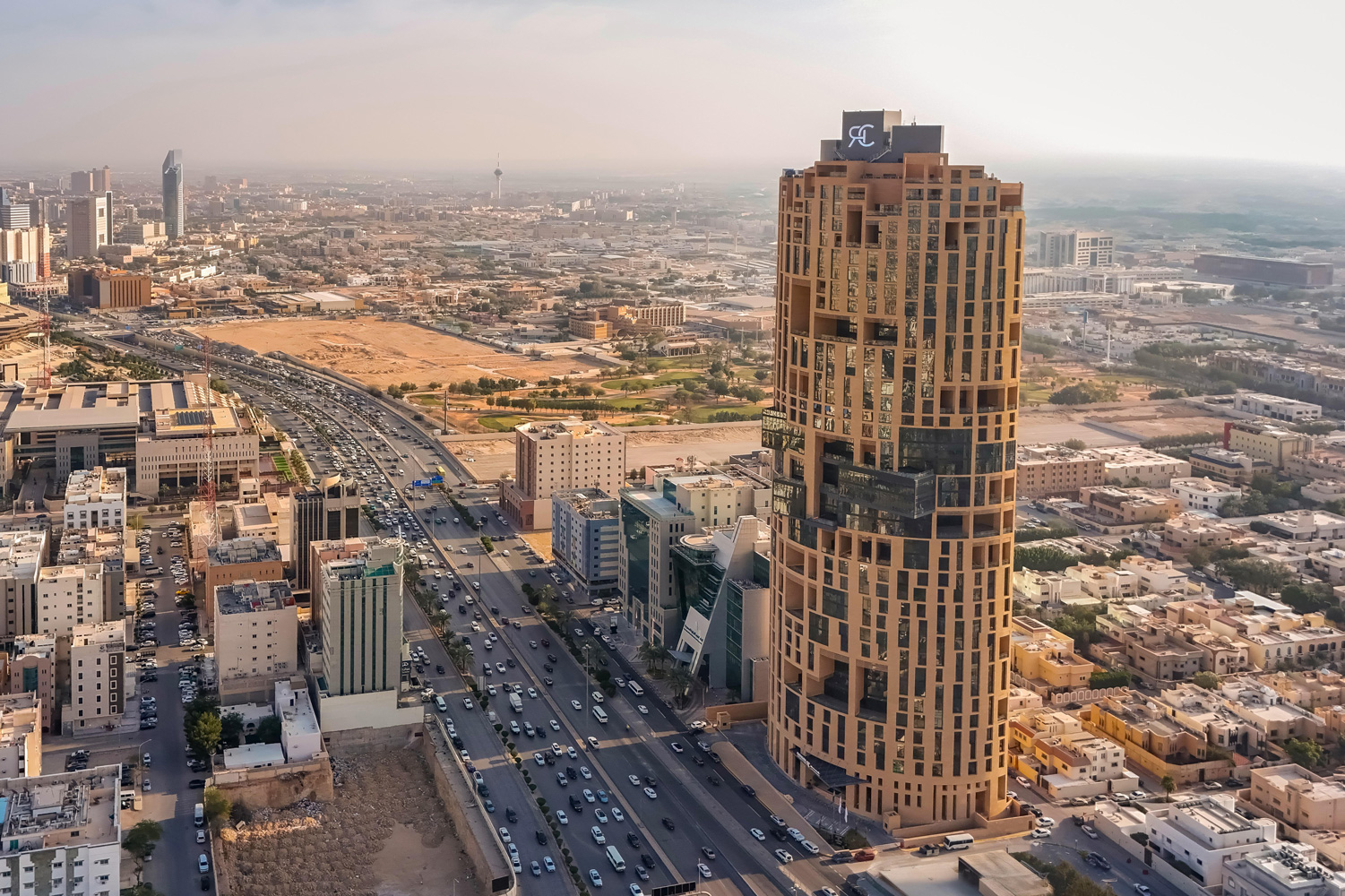
In the region, the collection includes three operational assets in Riyadh (spanning a resort outside the capital, a city centre property, and serviced apartments under the same flag), a 500-key resort scheduled to open next year in Marsa Alam in partnership with Talaat Moustafa Group (TMG), and an upcoming property in Santorini set to debut within two years.
Extended-stay anchor
Extended-stay units and serviced apartments remain a cornerstone of Radisson’s regional resilience, integrated into roughly 50 per cent of the group’s regional properties to capture short-, medium-, and long-stay business.
"A global reality that holds true across our region is that 70 per cent of demand for serviced apartments comes directly from corporate accounts," Milky says. "We actively manage the inventory mix based on location and cycle. In leisure-driven hubs like Dubai Marina, we cap long-stay inventory to maximize high-yield short- and medium-stay ADRs.
Conversely, in corporate-led or developing secondary markets, we expand the long-stay allocation to secure steady baseline cash flow."
This dual capability has historically served as a balance-sheet buffer during broader market shocks.
During the 2008-2009 global downturn and the COVID-19 pandemic, long-stay occupancy across selected Radisson assets surged from 20 per cent to nearly 50 per cent, providing baseline stability until short-stay transient leisure returned.
Our message to owners is simple: we are built for speed and pragmatism. We do not demand structural redesigns or wholesale staffing overhauls unless strictly necessary. We think like owners
- Elie Milky
Conversions lead the way
Given elevated financing costs and lengthy build cycles for greenfield projects, reflagging existing properties has become Radisson’s fastest-growing deal structure.
"Currently, conversions account for 30 to 40 per cent of our regional signings, and we are pushing to increase that share to 50 to 60 per cent," Milky says. "Our message to owners with existing unbranded or underperforming assets is simple: we are built for speed and pragmatism. We do not demand structural redesigns or wholesale staffing overhauls unless strictly necessary. We think like owners."
The group’s conversion portfolio spans takeovers of former Hilton, InterContinental, Hyatt Regency, Rotana, and Marriott properties across Riyadh, Jeddah, Dubai, Sharjah, Al Ain, Abu Dhabi, and Beirut.
Standard management contracts are structured over 15 to 20 years to ensure brand stability while driving asset appreciation.
Rise of franchising, branded residences
Franchising is seeing a sharp acceleration, particularly in Saudi Arabia, where mature local operators and institutional owners are seeking operational autonomy backed by global distribution.
"Until last year, we had no franchised properties in Saudi Arabia. By the end of this year, roughly 30 per cent of our portfolio there will operate under franchise agreements," Milky notes. Across the wider Middle East and North-East Africa, Radisson expects its franchise penetration to rise from 5 to 10 per cent to between 20 and 30 per cent, catching up to European levels and mature Mediterranean markets like Greece and Cyprus, where 80 per cent of contracts are already franchise-led.
Simultaneously, branded residences are bridging equity gaps in mixed-use hospitality schemes. "Branded residences allow developers to bring in upfront capital from unit sales, funding a portion of hotel construction, mitigating development risk, and increasing overall project ROI," Milky says, noting that nearly 70 per cent of the group’s regional owners currently hold more than one Radisson property.
Pioneering post-crisis frontiers
Looking ahead, Radisson is proactively tracking early-mover opportunities in post-crisis markets showing preliminary signs of stabilisation.
"Countries recovering from extended conflict - including Libya, Syria, and Iraq - are beginning to reactivate commercial demand, and we intend to be ready," Milky says. Building on its operational presence in Tripoli, Radisson is nearing additional hotel signings in Libya, expanding its footprint beyond two existing properties in Iraq, and scouting pipeline possibilities across Syria.
By balancing institutional rigor with pragmatic capital expenditure, Radisson’s regional playbook reflects a clear recognition that long-term Middle Eastern growth belongs to operators who can scale quickly, adapt deal structures to local capital requirements, and deliver measurable owner returns across every stage of the cycle.