
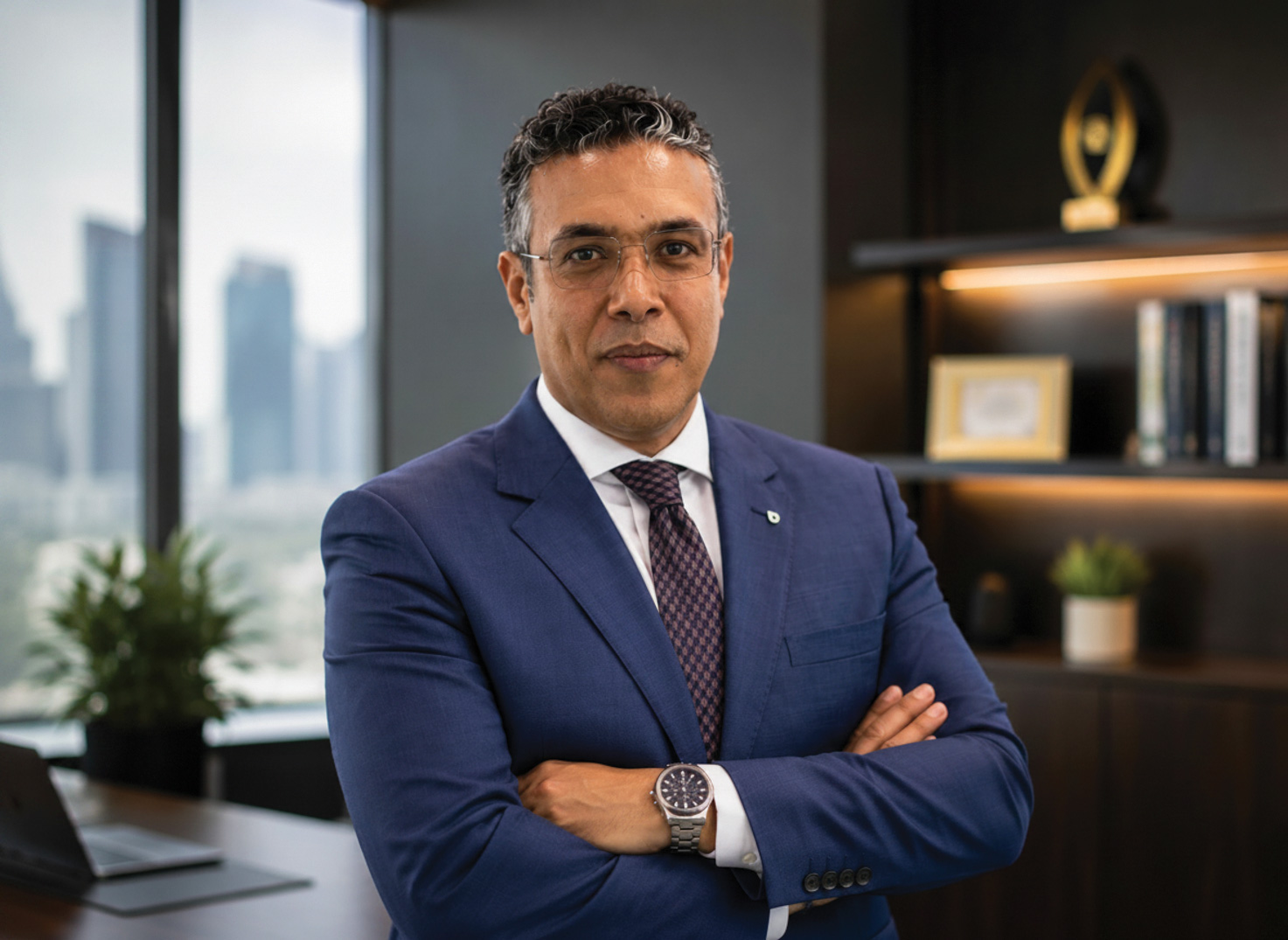
Medhat Nouby, CEO of Retaj Hotels & Hospitality, discusses the forces reshaping hospitality across the Middle East, and where he sees the greatest opportunities in family travel, technology, hotel concepts and regional growth.
As the Middle East hospitality sector enters a new phase of growth, Nouby believes the industry’s next chapter will be defined not by additional hotel supply, but by how effectively destinations and hospitality brands respond to changing traveller expectations.
Travellers, he says, are increasingly looking beyond accommodation itself, expecting experiences that are personal, flexible and relevant to the destination, while technology becomes integral to making the guest journey easier and more efficient. Yet the human side of hospitality remains fundamental: guests may expect digital convenience, personalised communication and seamless booking, but service, recognition and genuine human interaction will continue to decide whether they return.
Family travel as a major growth opportunity
Family and multigenerational travel is one of the segments Nouby sees as particularly important. Families today want more than a conventional hotel room: spacious accommodation, connecting rooms, serviced residences, privacy, flexible dining, children’s activities and wellness facilities are becoming decisive factors in choosing both hotels and destinations.
Qatar, he says, is particularly well positioned to meet these expectations, given its combination of safety, accessibility, cultural familiarity, modern infrastructure and expanding portfolio of leisure, sporting, entertainment and cultural experiences.
A family stay can span several generations, different interests and multiple expectations within the same trip, and hotels able to build comfort and trust across those varying needs stand a stronger chance of winning repeat business and long-term loyalty
- Medhat Nouby
For hotel operators, the opportunity lies in recognising that a family is not a single traveller segment. A family stay can span several generations, different interests and multiple expectations within the same trip, and hotels able to build comfort and trust across those varying needs stand a stronger chance of winning repeat business and long-term loyalty.
The Retaj Family concept
This philosophy sits at the heart of what Retaj calls the Retaj Family concept, which extends beyond the relationship between hotel and guest to include employees, owners and partners within one hospitality ecosystem built around care, trust and belonging.
It reflects the company’s wider ambition to create environments where guests experience a genuine sense of home, without compromising the standards of professional hospitality.
Technology is another area he considers central to hotels’ future commercial performance. Mobile booking, intelligent CRM, personalised communication, sharper demand forecasting and increasingly sophisticated revenue-management systems are all helping operators understand markets and individual guests more effectively.
Rethinking how performance is measured
The commercial implications, in Nouby’s view, are significant: hotel performance can no longer be judged by occupancy alone. Operators increasingly need to understand the total value generated by each guest, the cost of acquisition, repeat potential and spending across rooms, food and beverage, leisure, wellness and other services. Data, he argues, can help hotels identify these opportunities, sharpen communication and reduce unnecessary dependence on high-cost distribution channels.
Even so, Nouby cautions against letting digitalisation replace the human experience that defines hospitality. Technology, in his view, should remove friction rather than remove people: efficient systems can simplify booking, communication and operations, but the experiences guests remember most are usually built through personal interaction and service.
Hotel concepts are becoming more diverse
Changing traveller behaviour is also reshaping the types of hospitality developments attracting investment. Nouby sees continued potential in serviced residences, hotel apartments and extended-stay products, particularly for families, corporate travellers, project teams and guests relocating for longer periods.
These formats offer greater space and flexibility while retaining the convenience and service standards guests expect from a hotel. Lifestyle, boutique and experience-led hospitality are also gaining relevance as travellers look for a stronger connection to the destinations they visit.
Design, food, culture and personal interaction, he adds, can all help a hotel communicate local identity while still meeting international service expectations.
Mixed-use developments and the new definition of luxury
Mixed-use developments represent another important area of opportunity: hotels integrated with residences, retail, entertainment, healthcare or business facilities can create a more complete guest experience while giving owners and developers more diversified revenue streams. Luxury, meanwhile, will remain one of the Middle East’s defining hospitality strengths, but Nouby believes the definition of luxury itself is continuing to evolve.
Privacy, personalisation, wellness, distinctive dining and authentic cultural experiences are becoming as important as the physical quality of the hotel product itself. At the same time, well-positioned family and midscale hotels can broaden the region’s appeal and reach an increasingly diverse visitor base.
Growth must translate into long-term value
For Nouby, successful hospitality growth cannot be measured solely by the number of properties added to a portfolio. The industry, he says, is becoming increasingly focused on the quality of business each hotel generates, and the long-term value created for owners. Occupancy, average daily rate and revenue remain important indicators, but profitability is also shaped by distribution commissions, payroll, energy costs, food costs and guest-acquisition expenses.
Operators, he argues, need to balance rate, volume, service quality, operational efficiency and guest loyalty rather than maximise any single measure in isolation.
Retaj Hotels & Hospitality Expands Its International Footprint
These broader industry trends are also shaping the growth strategy of Retaj Hotels & Hospitality.
The company currently has a portfolio of approximately 39 hotels, resorts and hospitality projects across 10 countries, including operational properties and projects under development. Retaj Hotels & Hospitality is targeting a portfolio exceeding 50 hotels by 2030, with a particular focus on family hotels, resorts, serviced residences and mixed-use hospitality developments.
The objective, Nouby says, is not growth for growth’s sake. The company’s expansion strategy is centred on identifying markets with genuine long-term potential, building strategic relationships with owners and developers, and applying hotel-management solutions designed to strengthen asset performance and competitiveness.
As a Qatari hospitality company expanding internationally, Retaj also aims to carry elements of Qatar’s hospitality culture into new markets while adapting each property to the character and expectations of its destination.
For Nouby, the strongest operators of the coming years will be those able to meet international traveller expectations while staying connected to local identity.
As the global travel industry comes together at Arabian Travel Market, he believes the conversation is therefore moving beyond simply asking where travellers will go next.
The more important question is what kind of experience they will expect when they arrive.
For Retaj Hotels & Hospitality, the answer lies in combining modern hospitality with family values, technology with human connection, commercial performance with long-term owner value, and international standards with a recognisable sense of Qatari hospitality.