
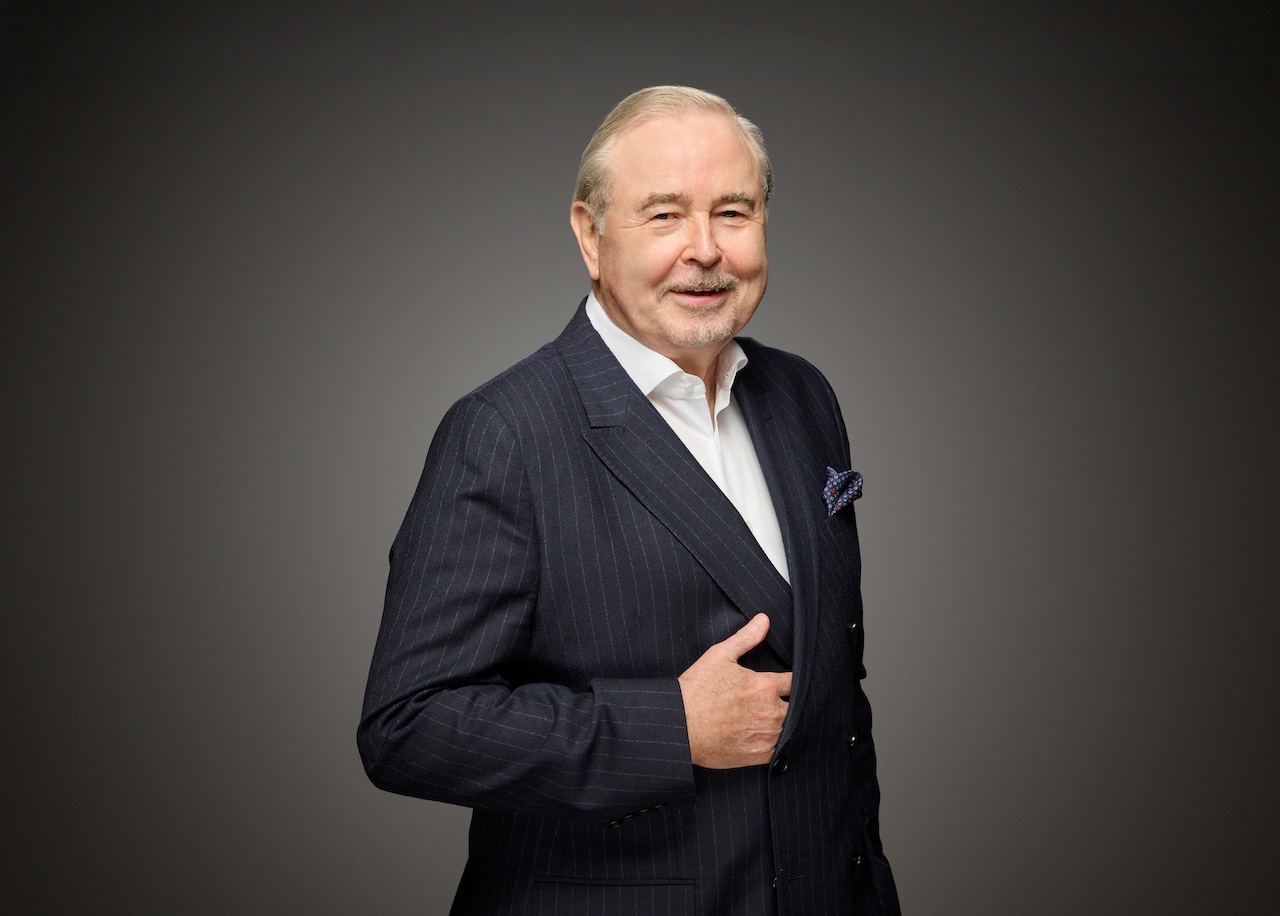
In an industry increasingly distracted by algorithm-driven promises and corporate consolidation, Rotana CEO Philip Barnes offers a refreshingly candid reality check. Taking aim at creeping hospitality mediocrity, Barnes makes an unapologetic case for the irreplaceable human touch - reaffirming his fierce, vocal commitment to travel trade intermediaries and calling travel advisors essential pillars of commercial trust.
From orchestrating rapid operational pivots without layoffs to expanding across frontier markets, the self-described servant leader sits down with TTN to explain why agility, trade partnerships, and front-line respect remain Rotana’s greatest competitive edge.
Let’s start with market conditions this year. Coming off a stellar previous year, how has 2026 treated Rotana across the portfolio?
January and February were fantastic - we were off to the races, following a banner year. Then, at the end of February, the landscape shifted dramatically. International airlift dipped significantly, and like everyone, we knew that was going to hurt.
My immediate directive to our General Managers was threefold: chase any viable revenue, contain costs without sacrificing a shred of guest quality, and take care of your people. Because at the end of the day, hotels are just bricks and mortar without teams that care. March and April were tough months, but from May onwards, the rebound has been remarkable. Our quality scores are up across the board, our hotels lead their competitive sets in the UAE, and we are tracking to finish the year at roughly 80 per cent of last year’s record profit. Under the circumstances, that is something we are extremely proud of.
When disruption hits, large global chains often take months to realign. How was Rotana able to respond quickly?
That is the massive advantage of being a compact operator. We aren't small - we have over 80 hotels across 14 countries - but we are compact enough to pivot rapidly. Our executive commercial, operations, and leadership teams sat down and re-engineered our strategy within days.
We knew inbound leisure was drying up temporarily, so we immediately redirected our global sales efforts into corporate, MICE, government, and airlines. Within three weeks, we were out in the market with dedicated staycation campaigns well ahead of our competitors. That agility allowed us to stem the bleeding and capture local demand before anyone else caught up.
Amid cost pressures, many operators quietly streamline headcounts. What was your mandate regarding your teams?
We made a conscious decision: no redundancies and no layoffs. When I toured our UAE properties in May and June to thank our teams, that was what our staff and GMs were proudest of.
Our business is entirely human. In hospitality, people take care of people. Our reputation as an employer was substantially enhanced because we stood by our people while others in the market did the opposite.
Real leaders don't manage from an ivory tower or push from behind; they clear the path and empower their people to excel– Philip Barnes
How would you describe your leadership style across this growing portfolio?
I consider myself a servant leader. My role is to ask my teams: What can I do to remove obstacles so you can take care of the guest?
I dislike it when I walk into one of our properties and the team fusses over me. If a bellman or a general manager is focusing on me, they aren't focusing on the paying guest standing right next to them. I am an employee of this company. The housekeeper, the cook, the front desk agent - they are the ones delivering the product every day. Real leaders don't manage from an ivory tower or push from behind; they clear the path and empower their people to excel.
There is endless industry hype right now around artificial intelligence in hospitality. Where do you stand on technology versus human touch?
AI will not replace the human touch. AI cannot cook your breakfast, make your bed, or bring your room service. It will not welcome you with genuine warmth, and it cannot smile at you.
My biggest concern with the tourism industry today - whether airlines, hotels, or restaurants - is a creeping level of mediocrity. It happens when operators forget that the guest pays the bills and funds our salaries. We launched initiatives like The Senses - infusing authentic Emirati hospitality through music, lobby scents, and Arabic coffee - and Hayyakum, our cultural welcoming programme. Technology should support operations, but true luxury and hospitality remain rooted in human warmth.
Rotana joined the Global Hotel Alliance (GHA Discovery) late last year. What has been the commercial return so far?
It has been an absolute home run. I insisted on a December 1 launch last year so we would hit the ground running, and less than a year in, the cross-brand production has exceeded expectations.
A guest loyal to Pan Pacific, Minor, or other alliance brands can now earn and burn their Discovery dollars with Rotana across the Middle East. We are seeing significant booking volume directly driven by Discovery members who had never stayed with Rotana before. It gives us global reach and puts us on equal footing with the legacy megachains.
As a B2B travel trade publication, our readers are travel agents, tour operators, and DMCs. With the push toward direct booking, how vital are trade intermediaries to Rotana today?
Travel agents and distribution partners are critical - full stop. When we made our commercial pivot, our Chief Commercial Officer, Nada Ghanem, and her team went straight to our distribution channels to ask: How do we make working with us seamless? Are we putting obstacles in your way? We transitioned many partners onto dynamic pricing to ensure mutually beneficial yields.
Depending on the property, up to 50 per cent of our business comes through brand distribution and partners. In the luxury segment, travel advisors are irreplaceable because high-end business is built entirely on personal relationships and trust. I remember Valerie Wilson (founder, chairman, and CEO of Valerie Wilson Travel) telling me years ago in New York, “I trust you.” That really meant: If you let my client down, I’ll kill you! That trust is why DMCs and tour operators book us. The trade is indispensable to our commercial engine.
You’ve made several major pipeline announcements recently. What does the development pipeline look like given macroeconomic pressures?
We currently have 40 hotels in our development pipeline scheduled to open over the next six years. But let’s be candid: development is facing headwinds worldwide. Construction costs have skyrocketed, financing is tighter, and some developers are inevitably pacing themselves. That pipeline number could shift to 35, or it could grow to 50 depending on how projects evolve.
What excites me most are the frontier destinations. We are opening in Islamabad, which establishes a key foothold in Pakistan and signals to local owners that Rotana is committed to the market. We have two projects underway in Georgia - one in Batumi and a dedicated ski resort. We even have a project underway in Mogadishu, Somalia.
When people hear Mogadishu, they often think of Black Hawk Down from 30 years ago. But destinations evolve dramatically. Twenty-six years ago, where we are sitting right now in Dubai was mostly desert. Cairo’s new developments look world-class. You cannot view markets through outdated lenses; you have to evaluate where capital and growth are heading tomorrow.