
Hotels are no longer defined by grand gestures or rigid plans, but by the feelings they evoke. Over nearly two decades in the industry, I’ve witnessed a subtle shift: spaces that used to follow strict layouts have evolved into more open, engaging environments designed to connect with people on an emotional level. From carefully chosen materials to multifunctional and wellness-focused areas, boutique hospitality now centres on creating experiences that resonate, inspire memory, and nurture a sense of belonging.
Hotels have moved beyond static container rooms to prioritise well-being and offer a memorable experience. In boutique hotels, traditional boundaries have dissolved to adopt multi-functional spaces in design. Lobbies function as social living rooms, restaurants as community kitchens, and outdoor spaces as experience zones rather than decorative add-ons. Buildings are designed to age gracefully, respond to climate, and feel rooted in place. I believe that design today is a journey where every transition is intentional and meaningful, reflecting how guests move, interact, and feel within a space.
Luxury is no longer about excess or ornamentation; it is about thoughtfulness. The right materials, design intent, and emotional intelligence make a design stand out. Intuitive layouts, proportions, natural light, and a grounded narrative guide the planning philosophy. From a peaceful lounge to a vibrant communal space, luxury is about letting guests choose how they experience the environment within a considered design.
Design once prioritised function, with utility spaces taking the lead and leisure areas treated as an extension. Today, the focus has shifted to emotional and experiential needs. Transitional spaces such as corridors, courtyards and staircases have become moments of pause and discovery. Leisure is found in quiet corners, shared tables, and connections to light, air, and landscape. Designing for this hybrid lifestyle requires flexibility and a strong understanding of human behaviour.
Design-led luxury focuses on material honesty, local relevance, and sensory engagement. It is about how a space sounds, feels, and flows. Locally sourced stone, timber, clay, and textiles take precedence, alongside handcrafted elements valued for their imperfections. Materials are chosen for tactility, patina, and longevity rather than novelty.
Luxury hotels have moved away from excess toward quiet confidence, using fewer materials and refined craft. What differentiates luxury today is intent - creating moments that resonate emotionally. Economy and mid-scale hotels prioritise durability and efficiency, while still offering warmth and care.
The wow factor is no longer visual alone; it is emotional. In an image-saturated world, what lingers is how a place makes people feel. A hotel that remembers your name and connects you to the neighbourhood creates a deeper impact - proving that memory is the strongest form of branding.
Hospitality design today sits at the intersection of architecture, psychology, and storytelling. Boutique hotels and resorts lead the way, creating authentic, one-of-a-kind experiences. The future of hospitality design is about creating a sense of belonging - hotels that embrace this philosophy will go beyond being destinations; they will become lasting memories.
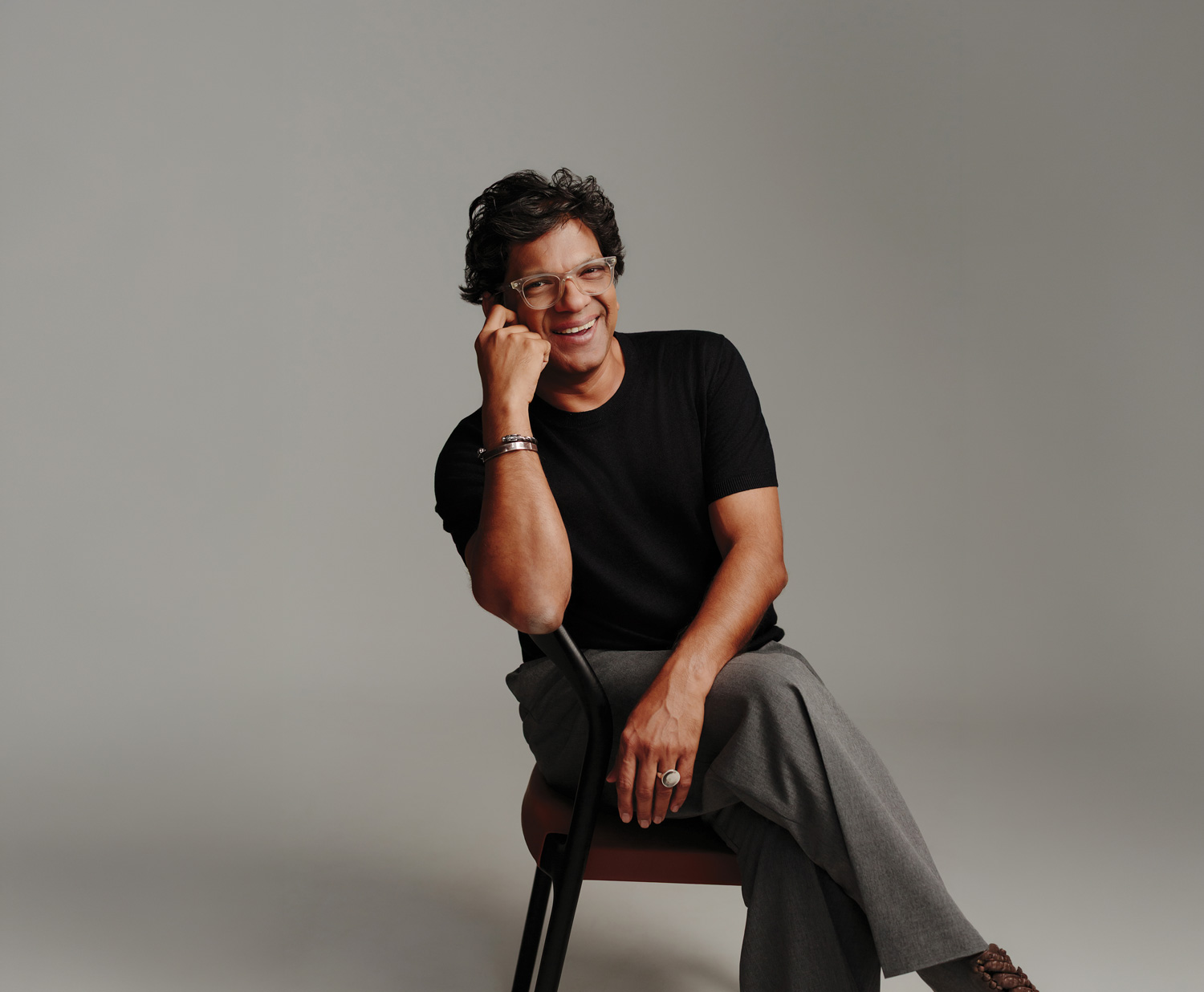
- The writer is partner at global interior design studio HBA