
The World Travel & Tourism Council (WTTC) is calling on governments, destinations and businesses to adopt proactive destination stewardship strategies as global travel continues to expand, ensuring tourism growth delivers lasting benefits for residents, visitors and local economies.
The council has published a policy brief titled “Destination
Stewardship: Creating Value for All”, outlining seven principles designed to
help destinations manage tourism growth sustainably, protect local character
and ensure economic benefits are shared more widely.
WTTC said tourism should move beyond focusing solely on
visitor numbers and instead measure success through resident satisfaction,
long-term resilience and the value created for communities. The organisation
said stronger planning, collaboration with residents and data-driven
decision-making are essential to building tourism models that support local
wellbeing while unlocking economic opportunities.
Travel & Tourism remains one of the world’s largest
economic sectors, supporting one in every 10 jobs globally, contributing around
10% of global GDP and expected to generate one in every three new jobs over the
coming decade. In 2025, the sector contributed $11.6 trillion to the global
economy and supported 366 million jobs worldwide.
The WTTC framework highlights seven key principles for
destination stewardship:
- Plan together, grow together
- Make resident satisfaction the measure of success
- Plan ahead
- Understand the issue
- More places, more seasons, more value
- Turn tourism into shared prosperity
- Be ready to respond
The council said successful destinations are those that
prepare for growth in advance, use reliable data, diversify tourism across
locations and seasons, reinvest tourism revenues into communities and address
challenges before they become critical.
WTTC President and CEO Gloria Guevara said: " When
destinations are managed well, Travel & Tourism creates jobs, strengthens
communities, protects cultural and natural heritage, and delivers lasting
prosperity. Destination stewardship succeeds when governments, local
communities and the private sector work together with a shared vision for long-term
success. Our seven principles provide a practical framework that destinations
can adapt to their own needs, helping ensure tourism continues to deliver
benefits for everyone."
The policy brief includes examples from destinations around
the world that have adopted more sustainable tourism approaches. Madrid has
focused on reducing seasonal concentration, expanding tourism beyond
traditional areas and strengthening public-private cooperation to create a
value-focused tourism model.
Colorado demonstrates the role of collaborative governance,
resident engagement and long-term planning in shaping tourism policies, while
Bogotá highlights how early investment in data and planning can improve
destination management and distribute benefits more effectively.
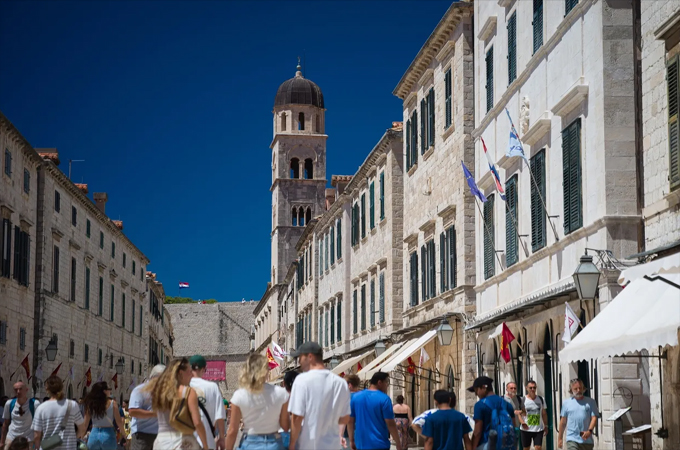
Other examples include Dubrovnik, where improved cruise
management has helped reduce pressure on the city; New York City, which has
expanded regional tourism experiences to spread economic benefits; and the
Balearic Islands, where transparent reinvestment of tourism revenues has helped
strengthen community support.
The report also features initiatives from destinations
including Copenhagen, Japan, Ljubljana and South Korea, showing how destination
stewardship principles can be adapted to different tourism markets and
challenges.
Alongside its long-term recommendations, WTTC outlined
immediate actions destinations can take, including monitoring resident
sentiment, identifying tourism pressure points through improved data
collection, promoting lesser-known destinations, encouraging responsible
visitor behaviour and improving communication about tourism’s benefits.
The council said coordinated response teams and stronger
cooperation between governments, communities and businesses will be
increasingly important as destinations manage rising visitor demand.
WTTC said destination stewardship should become central to
tourism policy and planning, enabling the sector to continue driving economic
growth while improving quality of life for residents, preserving cultural and
natural assets and creating better experiences for travellers. -TradeArabia News Service