
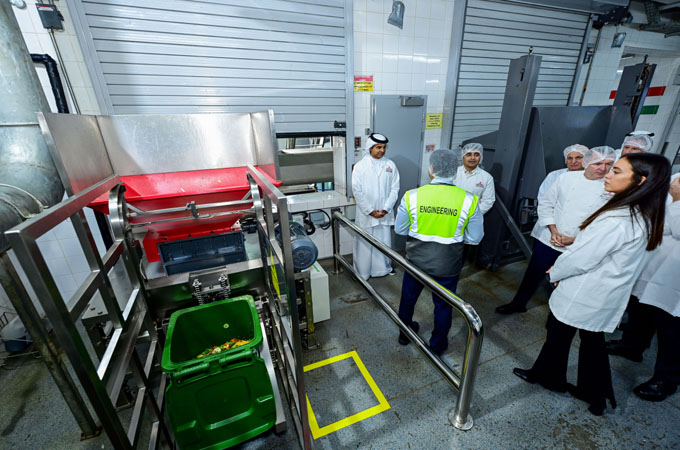
Emirates Flight Catering (EKFC) is strengthening its waste management strategy with the installation of a custom-built Power Knot LFC-3000 biodigester, one of the largest of its kind at commercial scale.
Located at EKFC’s
Central Commissary Unit, the system enables on-site treatment of organic waste,
reducing the need to send food waste to landfill.
The biodigester uses
aerobic digestion, combining oxygen, heat and microorganisms to naturally break
down organic material.
This process generates
grey water suitable for non-potable reuse and becomes increasingly efficient
over time as the microbial culture matures and adapts to varied waste streams.
Since its
commissioning in December 2025, the system’s throughput has increased steadily
and is now processing up to 3.5 tonnes of food waste per day, with projected
capacity rising to approximately 6 tonnes daily.
Based on DEFRA-aligned
greenhouse gas conversion factors, EKFC estimates that diverting one tonne of
food waste from landfill avoids around 0.7 tonnes of CO₂e.
At full capacity, the
biodigester could prevent more than 2,000 tonnes of CO₂e emissions each year.
The biodigester forms
part of EKFC’s wider sustainability programme, which includes solar panels
generating 4,000 MWh annually, the introduction of electric vehicles, and the
region’s first electric hi-loader expected in 2026.
Additional initiatives
include reducing plastic packaging, repurposing food trimmings through new
recipes, and using AI and smart technology to enhance efficiency and reduce
waste.
Shahreyar Nawabi, Chief Executive Officer of Emirates Flight Catering said: “At EKFC, when we look at where we can make the greatest difference, it's in how we handle waste by treating it responsibly, diverting it from landfill, and finding ways to put it back into productive use. Commissioning a biodigester of this scale is a major operational milestone for us as we accelerate EKFC’s landfill diversion efforts. The strong cross-functional collaboration from every part of the business, in addition to consistent waste segregation efforts of teams on the ground were also key drivers of this project’s successful delivery. The combination of innovation and operational commitment will continue to drive our progress on sustainability." -TradeArabia News Service