
As it gradually beefs up its Middle East portfolio, The Set bets on non-competing hidden gems, CEO Robin Stangroom tells TTN

In an era of big-brand fatigue, where luxury hotel affiliations often boast hundreds of properties under a single umbrella, the industry is witnessing a strategic pivot. The shift isn't just about exclusivity; it’s about agility and advocacy. As independent owners increasingly look for global reach without the dilution of their unique identity, The Set is positioning itself as the definitive anti-conglomerate.
Speaking to Travel & Tourism News (TTN), Robin Stangroom, CEO of The Set, laid out a roadmap that prioritises quality over the sheer velocity of growth. The company has successfully completed its transition from an owner-operator to a pure brand affiliation powerhouse. However, unlike the ‘hard brands’ that often dominate the skyline, Stangroom’s vision is built on a ‘one exceptional hotel per city or region’ rule - a move that effectively eliminates internal competition and ensures that every member hotel is the undisputed protagonist of its market.
The Middle East expansion
Since our conversation, The Set has moved with remarkable speed to solidify its presence in the most competitive corridors of the Middle East and beyond. The portfolio has recently been bolstered by a series of high-profile hidden gems that perfectly encapsulate the brand’s ethos of character-led luxury.
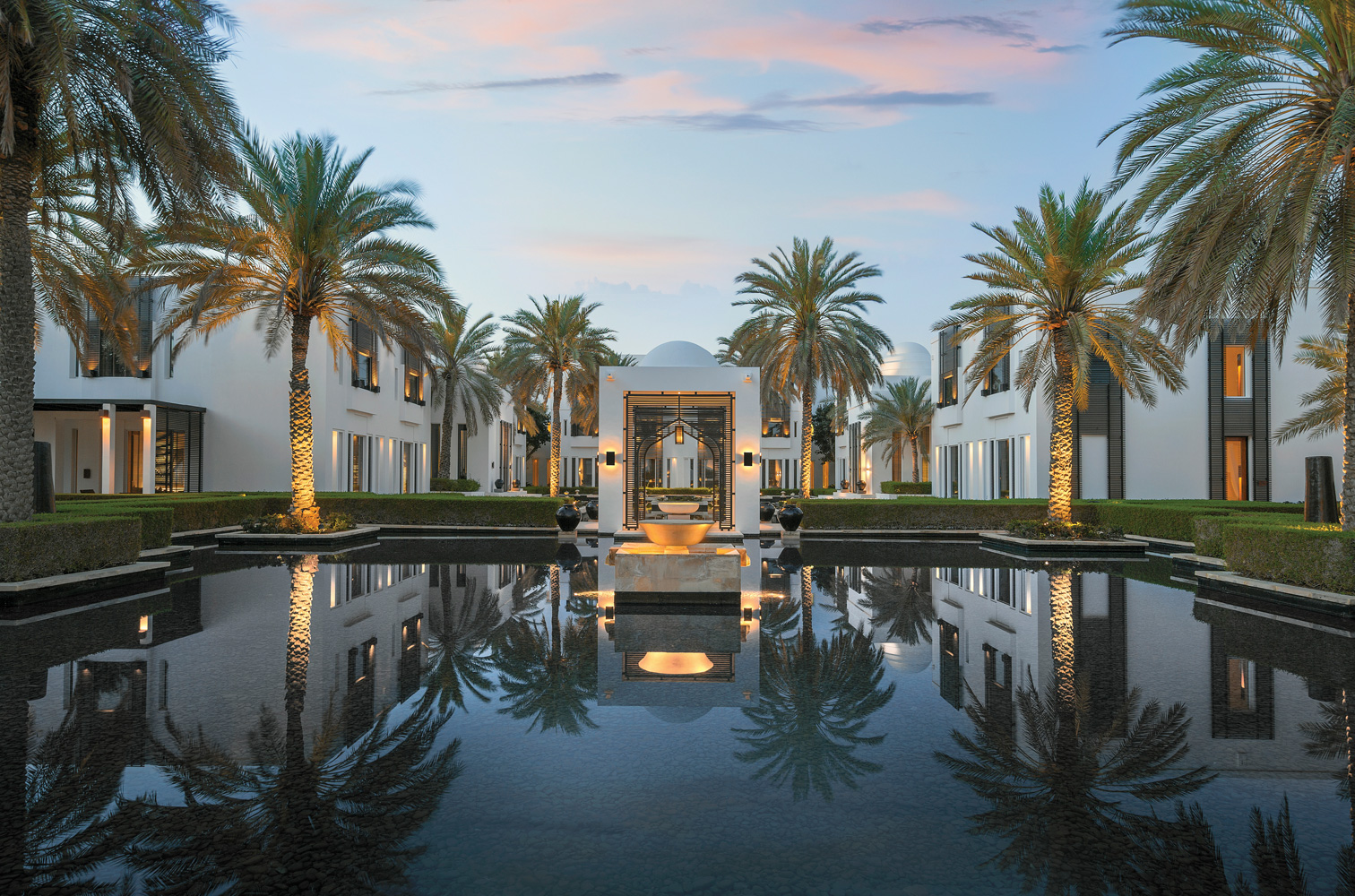
The Middle Eastern footprint, in particular, has seen a sophisticated surge. The collection now includes The Chedi Muscat (Oman), The Chedi Katara (Doha), and The Chedi Al Bait (Sharjah). Perhaps most notably, the brand has staked a claim in Saudi Arabia’s burgeoning luxury landscape with The Chedi Hegra in AlUla, a destination that is rapidly becoming the benchmark for heritage-led tourism.
This regional growth is mirrored globally with the addition of Shinta Mani in Southeast Asia, the wellness-centric Andronis Concept Wellness Resort in Santorini, and the legendary Round Hill Hotel & Villas in Jamaica.
Collaboration over competition
"We are no longer an owner or an operator; we are a pure brand affiliation company," Stangroom tells TTN. "But it’s not about numbers. We have no ambition to reach a massive scale. The moment we start compromising on quality just to chase volume, we become like every other affiliation."
For an owner in Doha or Sharjah, the proposition is clear: The Set isn’t hedging its bets. By representing only one property per city, the brand’s sales, marketing and PR efforts are laser-focused. "When you’re in a 600-hotel portfolio, every new addition can feel exhausting," Stangroom explains. "With us, growth actually benefits our member hotels because new properties bring more potential customers into our ecosystem without adding direct competitors."
Performance-led resilience
In a market that is increasingly battle-tested, Stangroom is championing a performance-based fee structure - a move that demonstrates a high level of accountability. By keeping base fees lower and tying charges to measurable results, The Set is effectively acting as an extension of the hotel’s own team.
This support is backed by serious distribution muscle, including access to the Global Hotel Alliance (GHA) and its 32 million members, alongside a global sales force targeting high-net-worth hubs like Dubai, Riyadh, and New York.
Human element
While the backend is powered by the GDS and CRM, the guest experience remains decidedly analogue. Stangroom namechecks the likes of Four Seasons and Aman as benchmarks for service reliability but insists that The Set’s members must retain their independent spirit.
"Today’s luxury traveller is driven by emotion and authenticity," he notes. Through initiatives like Set Society, an invitation-only recognition programme, the brand building on transactional points and also offering their clients money-can't buy experiences, such as exclusive access to partners like Aston Martin.
As The Set continues its curated ascent, the message to the industry is one of quiet confidence. In a world of loud, mass-market luxury, there is a growing, high-yield market for the hidden gems, and Robin Stangroom is making sure they are found.