
While Madrid serves as the vibrant, high-energy heart of Spain, some of the country’s most profound cultural hidden gems lie just beyond the city limits. For those looking to trade the bustling Gran Vía for ancient stone walls, royal gardens and the literal paths of legends, central Spain offers an unparalleled collection of world-class heritage sites - all easily accessible for a day trip or a weekend escape.
Here is a guide to the essential historical and literary routes surrounding the capital.
The Literary Legend
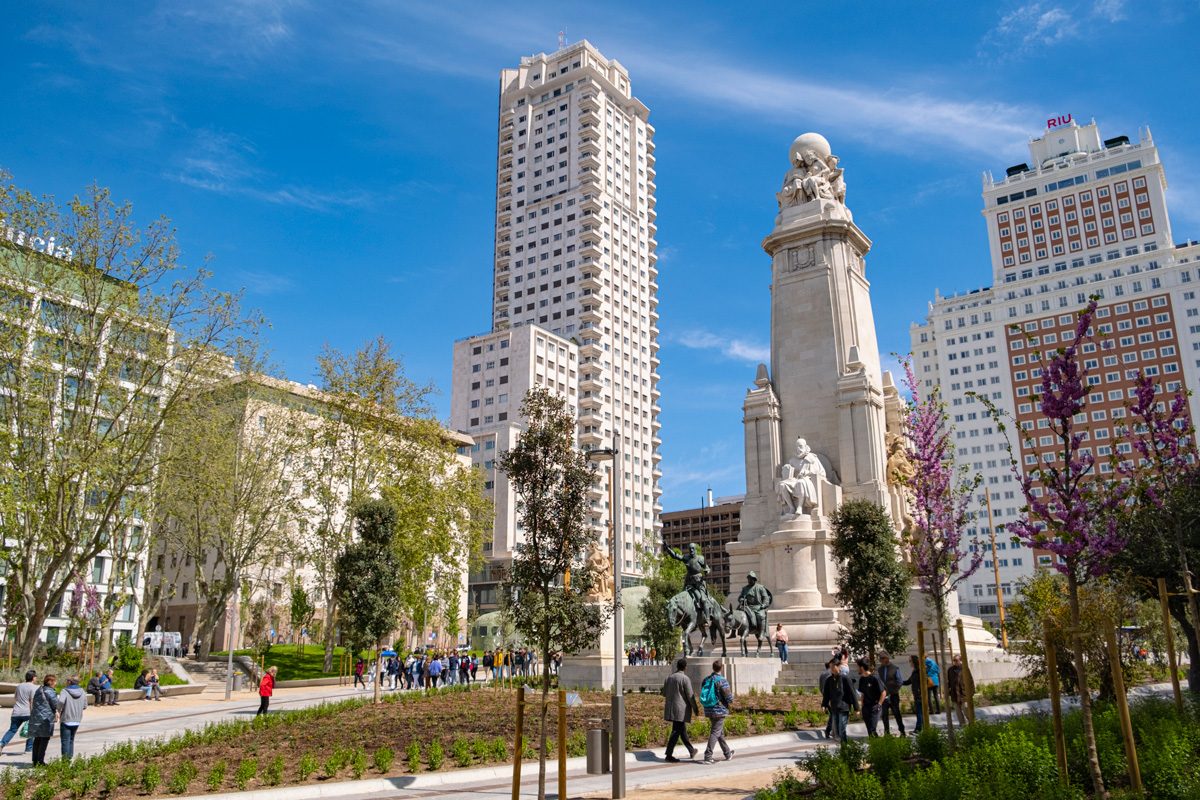
Following the Don Quixote Route
Stepping out of Madrid and into the plains of Castilla-La Mancha feels like stepping into the pages of Miguel de Cervantes’ masterpiece. The Don Quixote route is more than a drive; it is an immersion into the soul of Spanish literature.
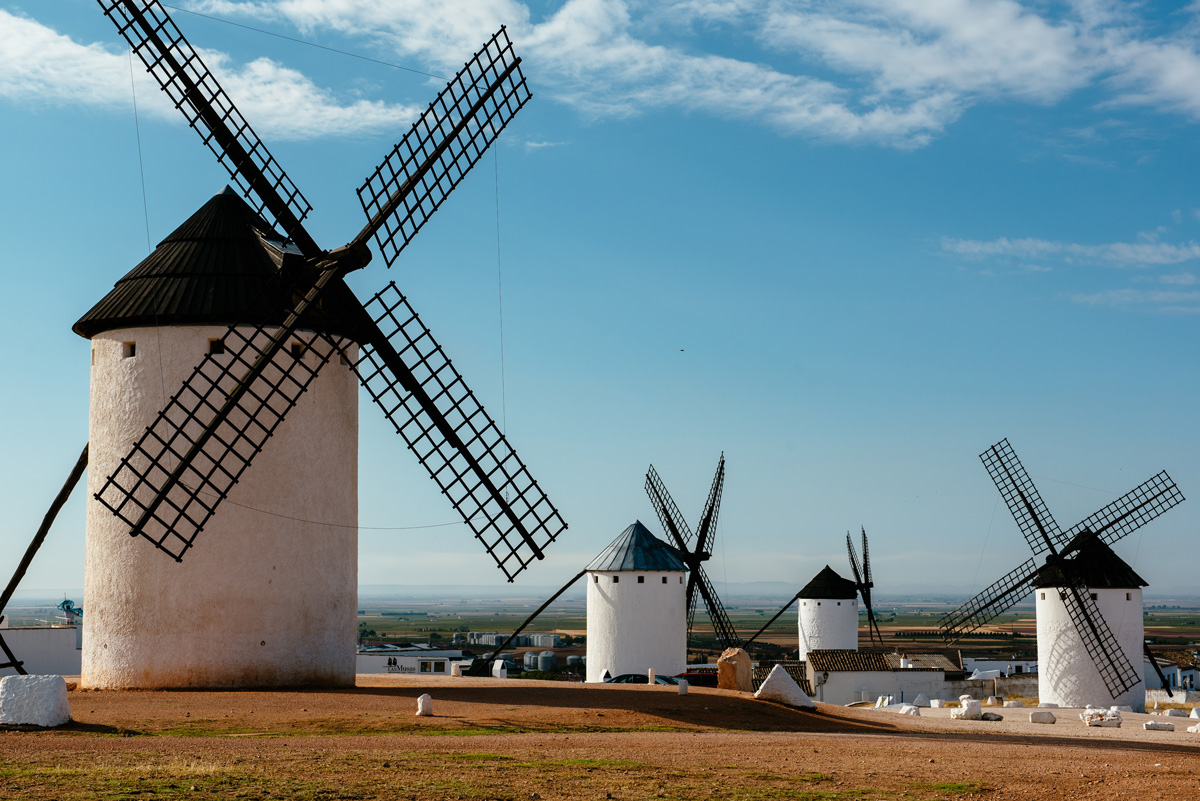
The journey typically centres on the iconic white windmills of Consuegra and Campo de Criptana, the "giants" that the knight-errant famously tilted at. Along the way, travellers can visit El Toboso, the hometown of the fictional Dulcinea, and the historic inns and vineyards that define this sun-drenched, rustic landscape. It is a route that celebrates the idealism of the "Knight of the Sad Countenance" against a backdrop of quintessential Spanish beauty.
The Royal Retreats
Aranjuez and San Lorenzo
de El Escorial
If you seek the grandeur of the Spanish monarchy, two distinct UNESCO sites offer a glimpse into royal life across the centuries.
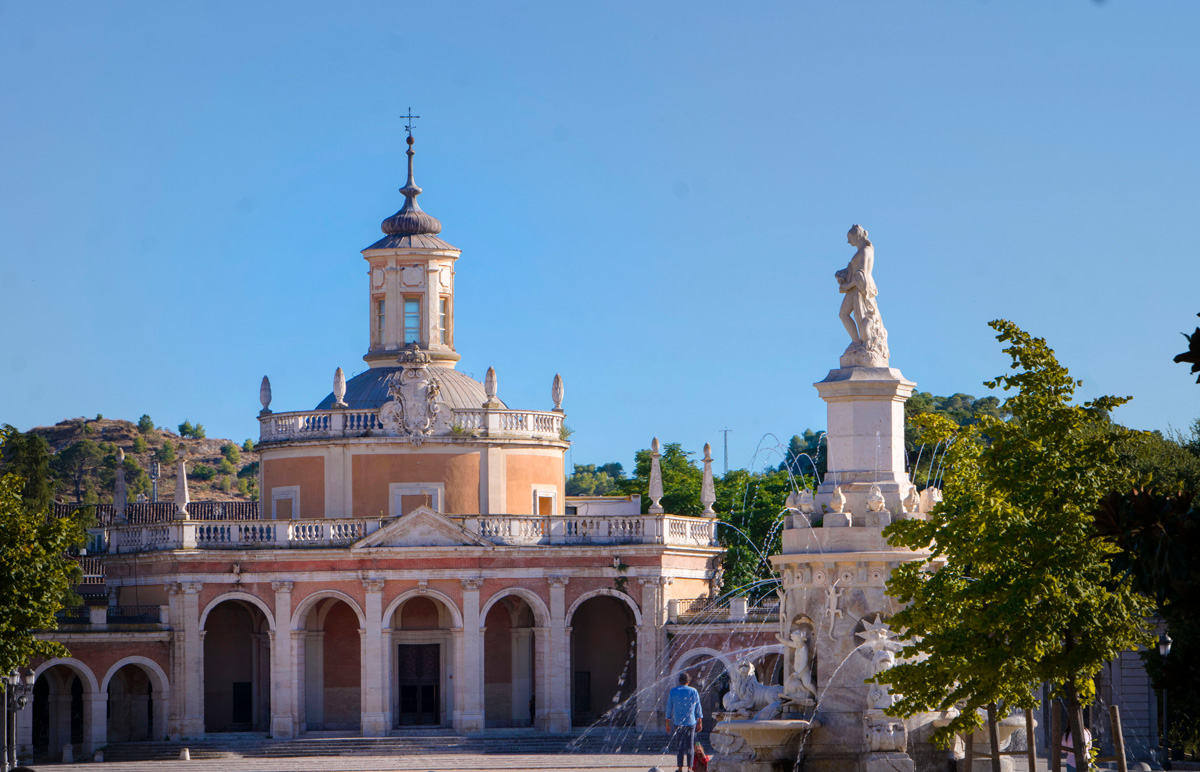
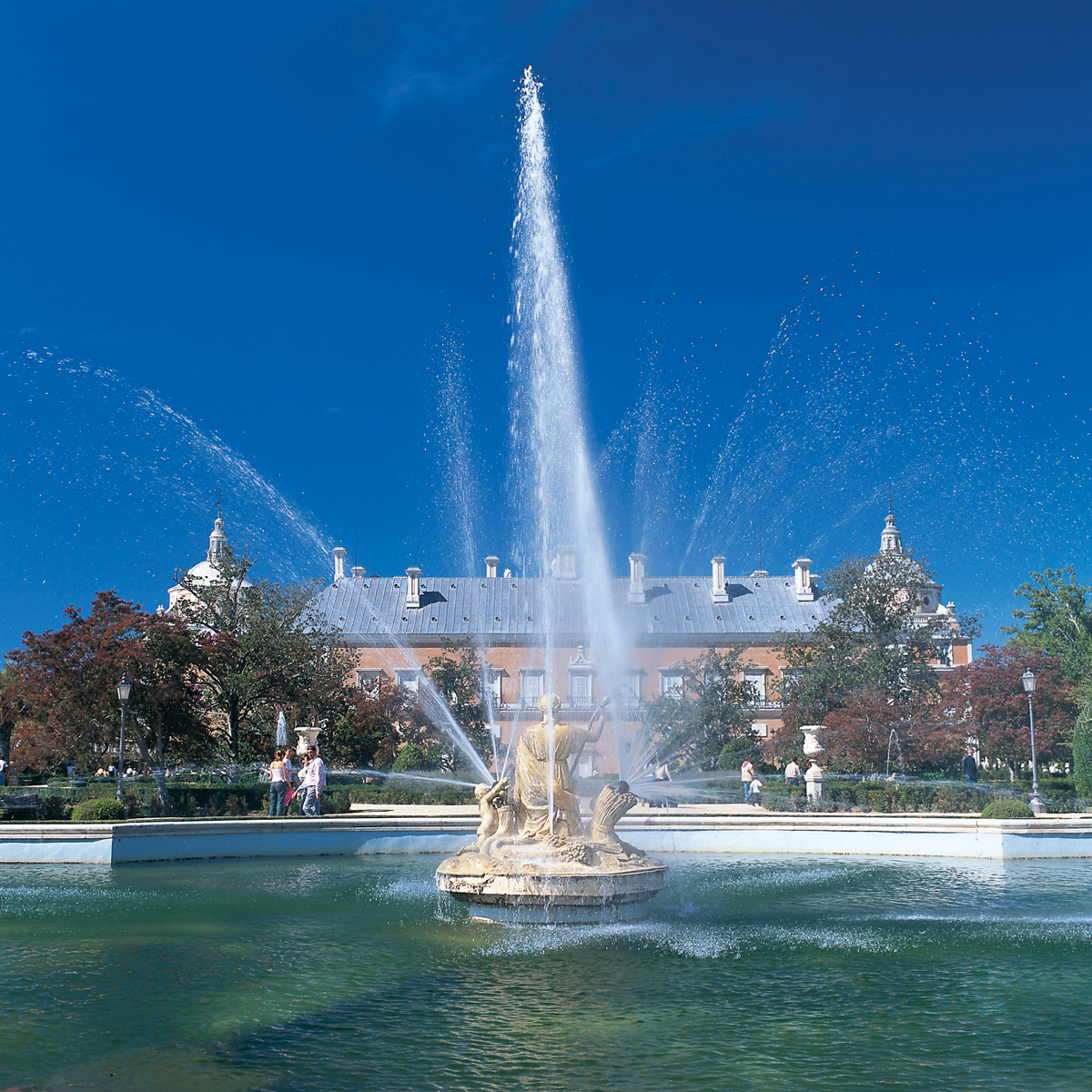
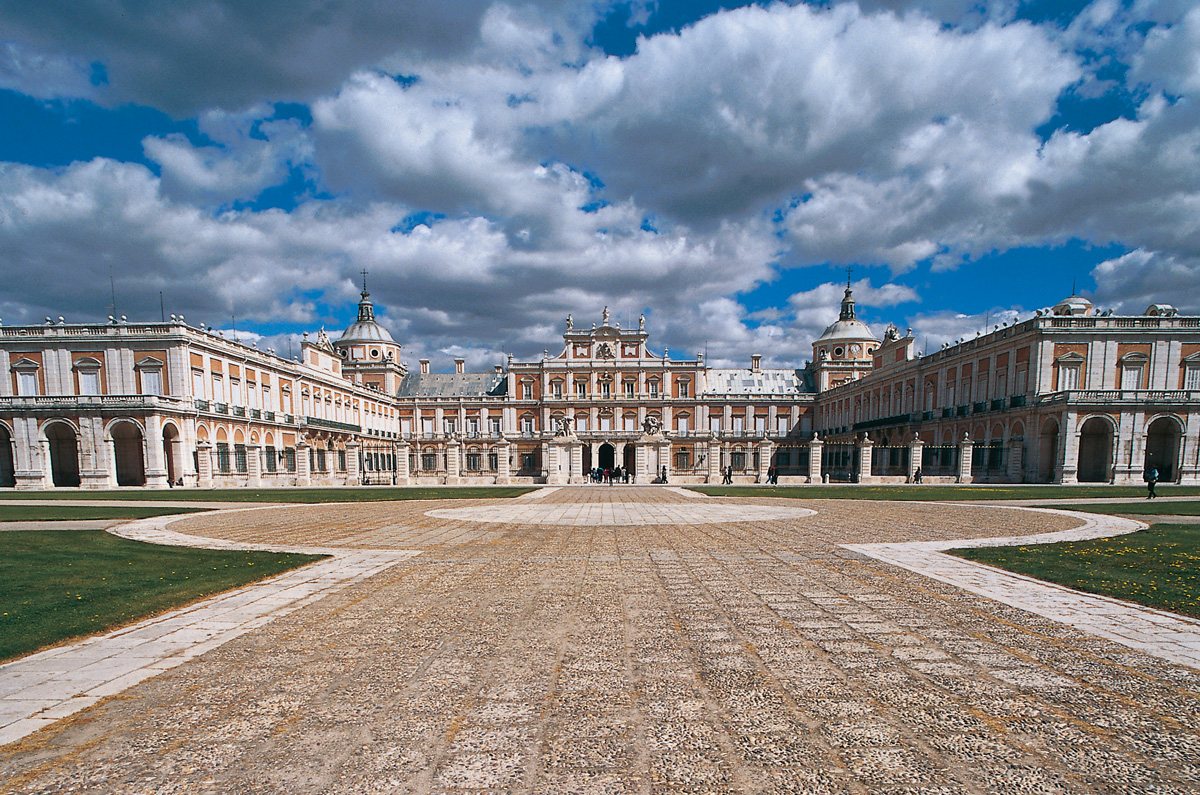
Aranjuez: Known as the Royal Estate of Aranjuez, this town was the spring residence of the Spanish monarchs. It is famed for its lush, sprawling gardens - the Island Garden and the Prince’s Garden - and its ornate Royal Palace. The landscape is a harmonious blend of nature and palace architecture, influenced by the Enlightenment.
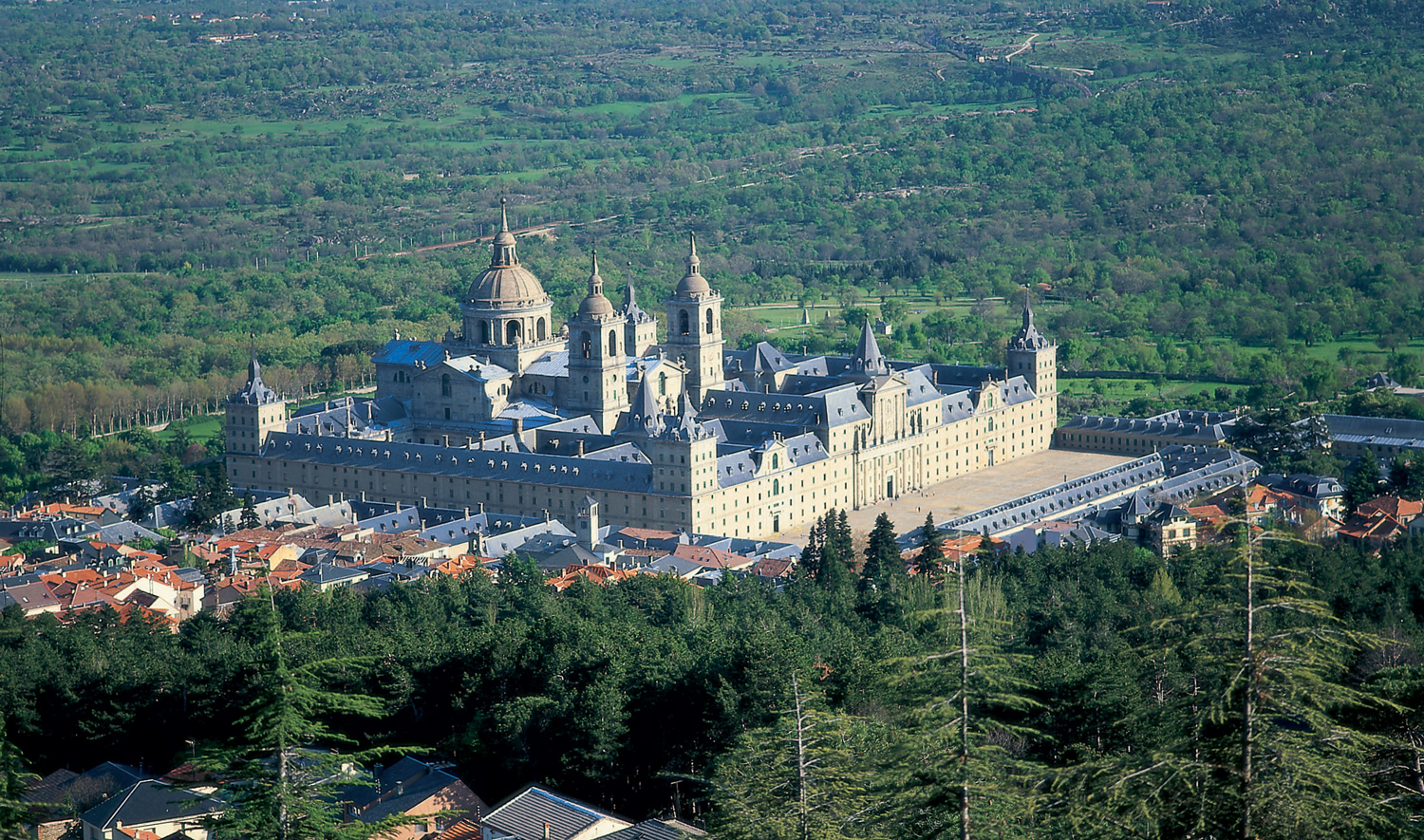
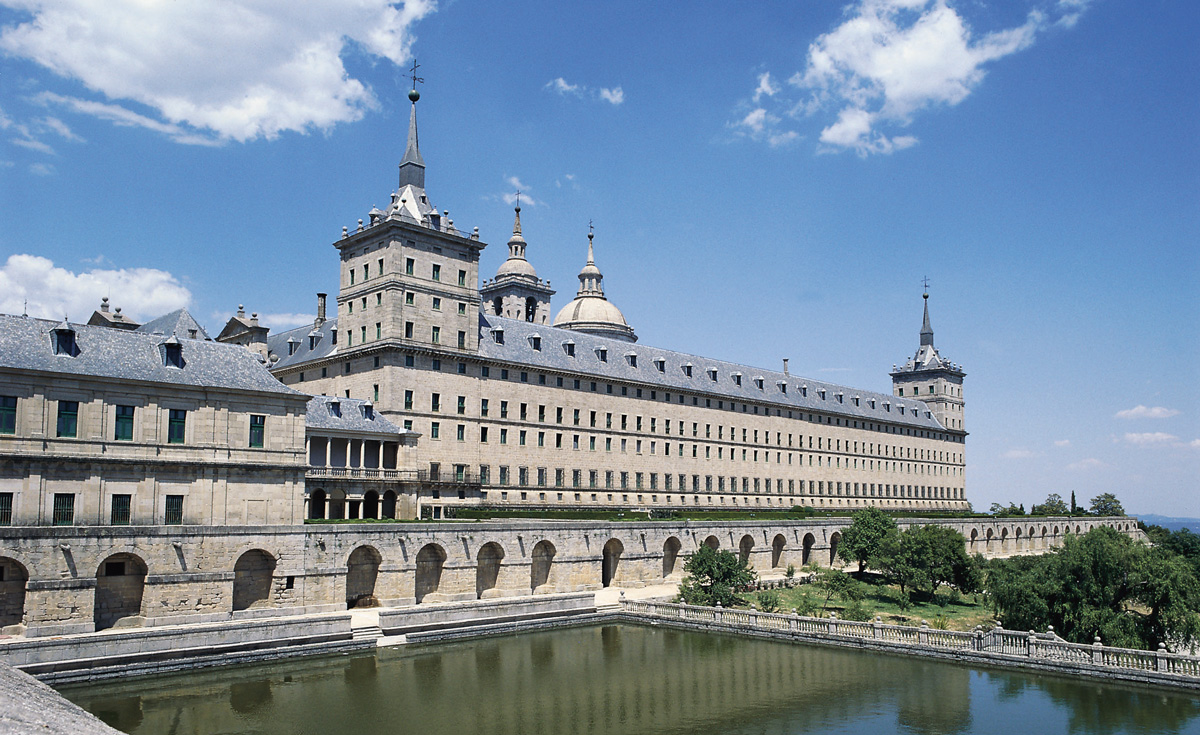
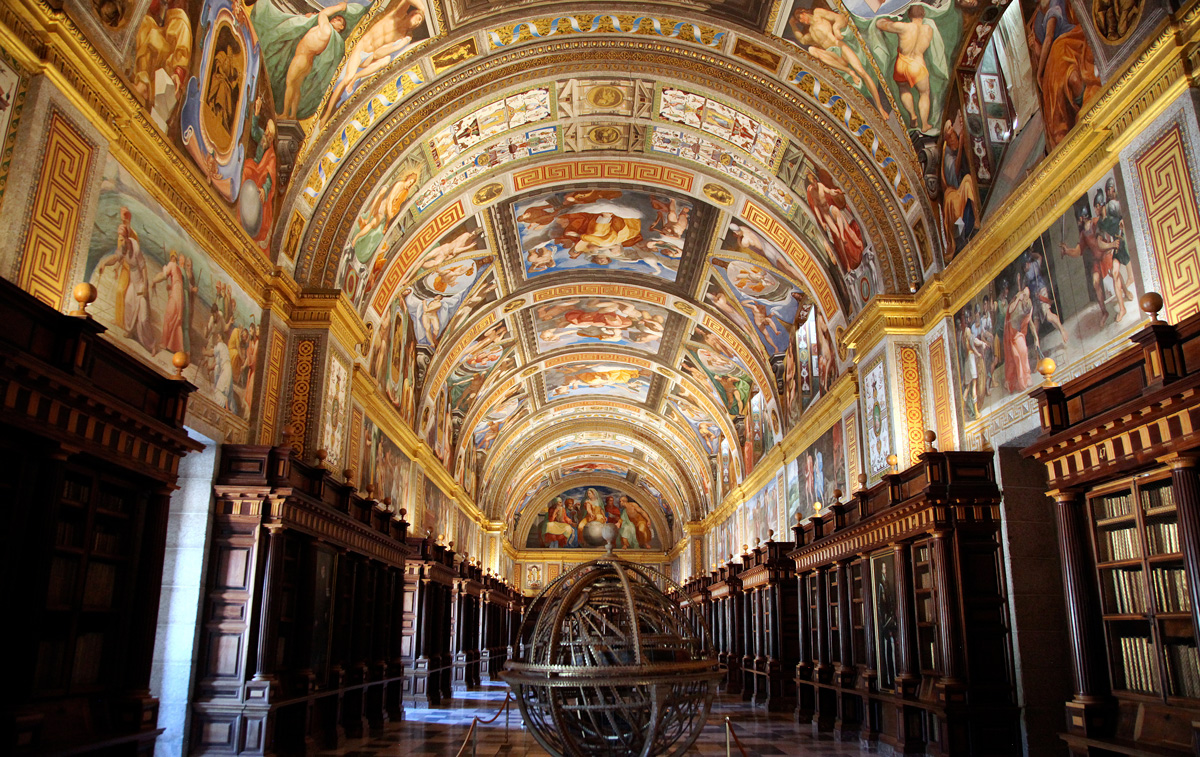
San Lorenzo de El Escorial: Located in the heart of the Sierra de Guadarrama, this massive complex is a masterpiece of the Spanish Renaissance. Built by Philip II, the Royal Monastery functions as a palace, monastery and pantheon. Its austere, Herrerian style stands in dramatic contrast to the verdant mountains surrounding it, offering a sense of spiritual and royal solemnity.
The Stone Sentinels
Toledo, Segovia, and Ávila
These three cities form a golden triangle of history around Madrid, each preserved so perfectly that they feel like open-air museums.
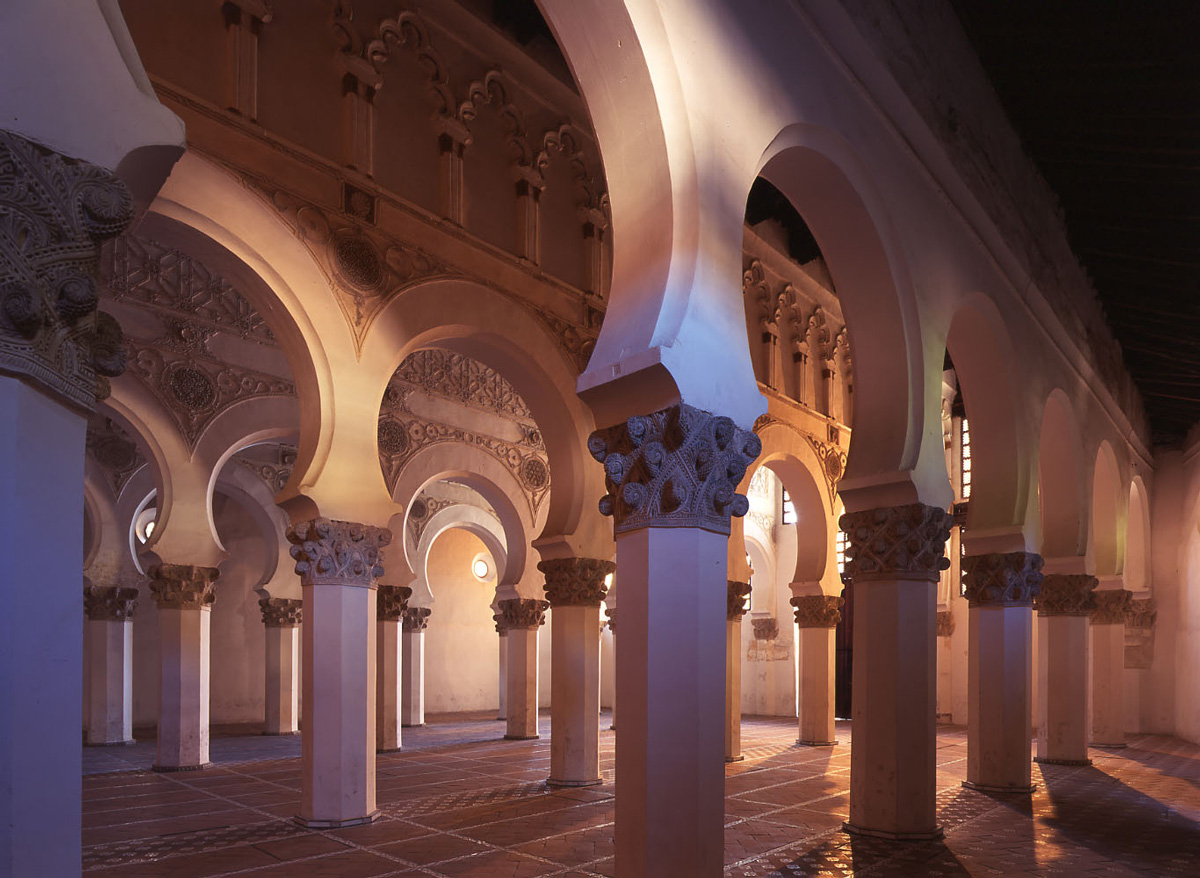
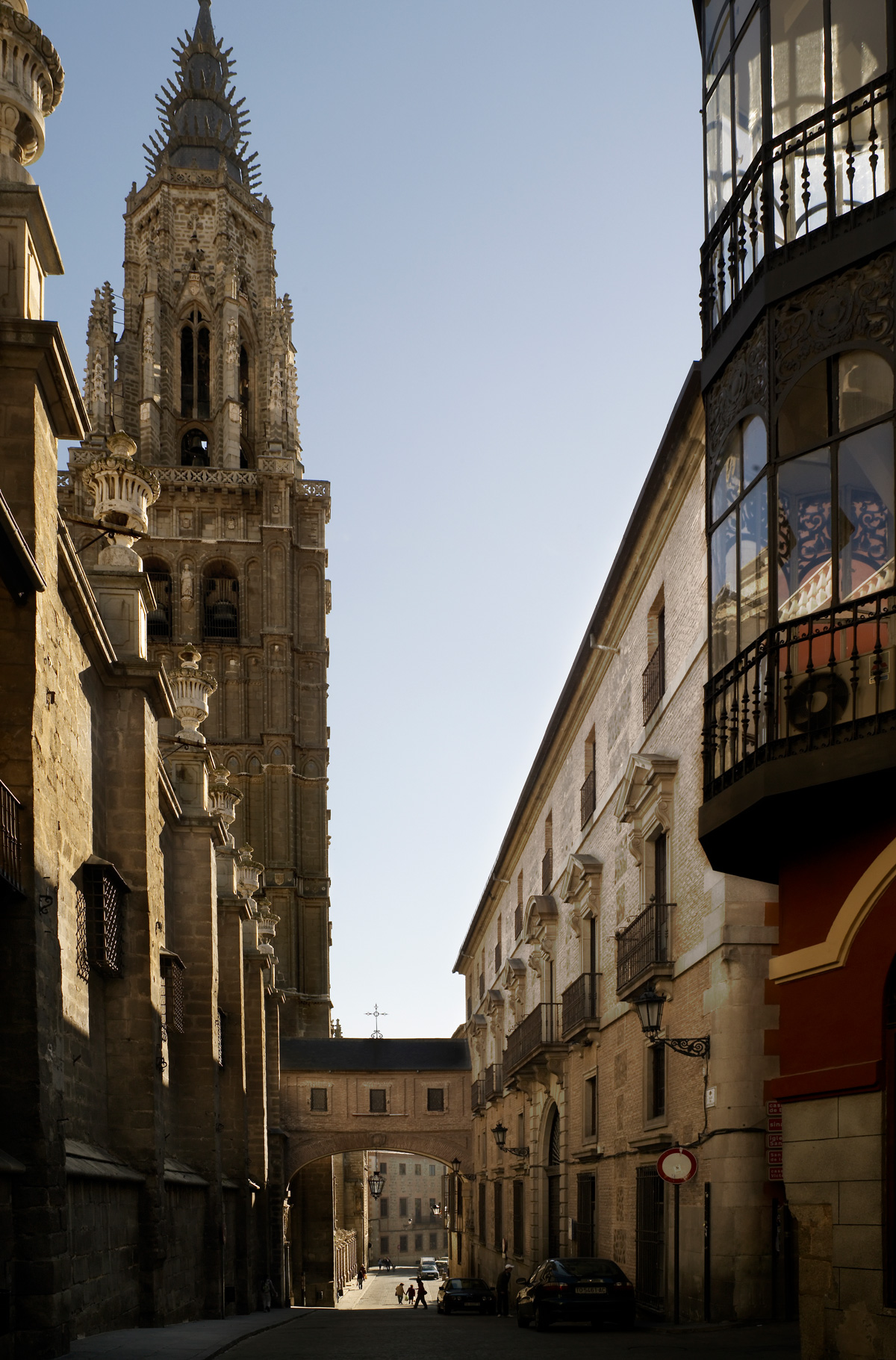
Toledo: Once the capital of Spain, Toledo is known as the City of the Three Cultures. Within its labyrinthine Moorish streets, you can find traces of Christian, Muslim and Jewish history existing side-by-side. From the Gothic Cathedral to the ancient synagogues, Toledo is a dense, vertical fortress of history.
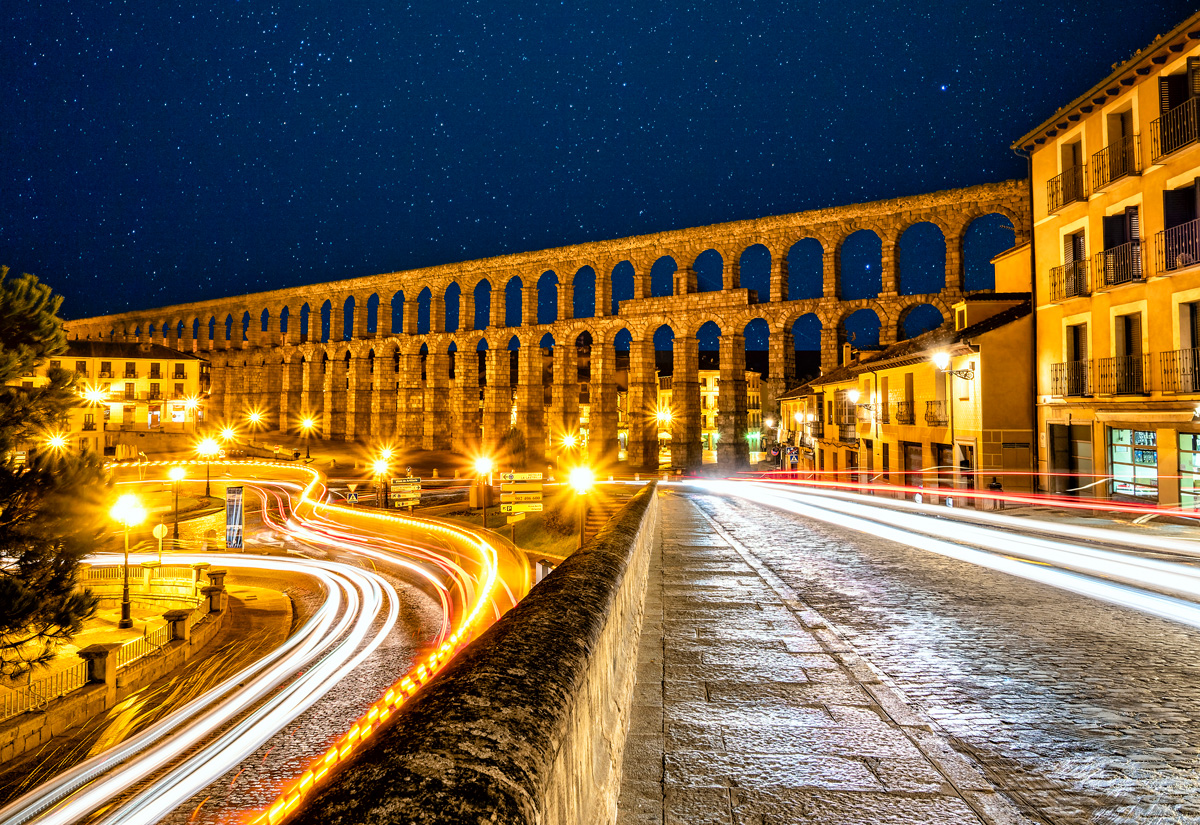
Segovia: Best known for its jaw-dropping Roman Aqueduct - a marvel of ancient engineering held together without mortar - Segovia is also home to the Alcázar, a fairytale castle said to have inspired Walt Disney. The city’s Jewish quarter and its massive cathedral add layers of Gothic and Romanesque beauty.
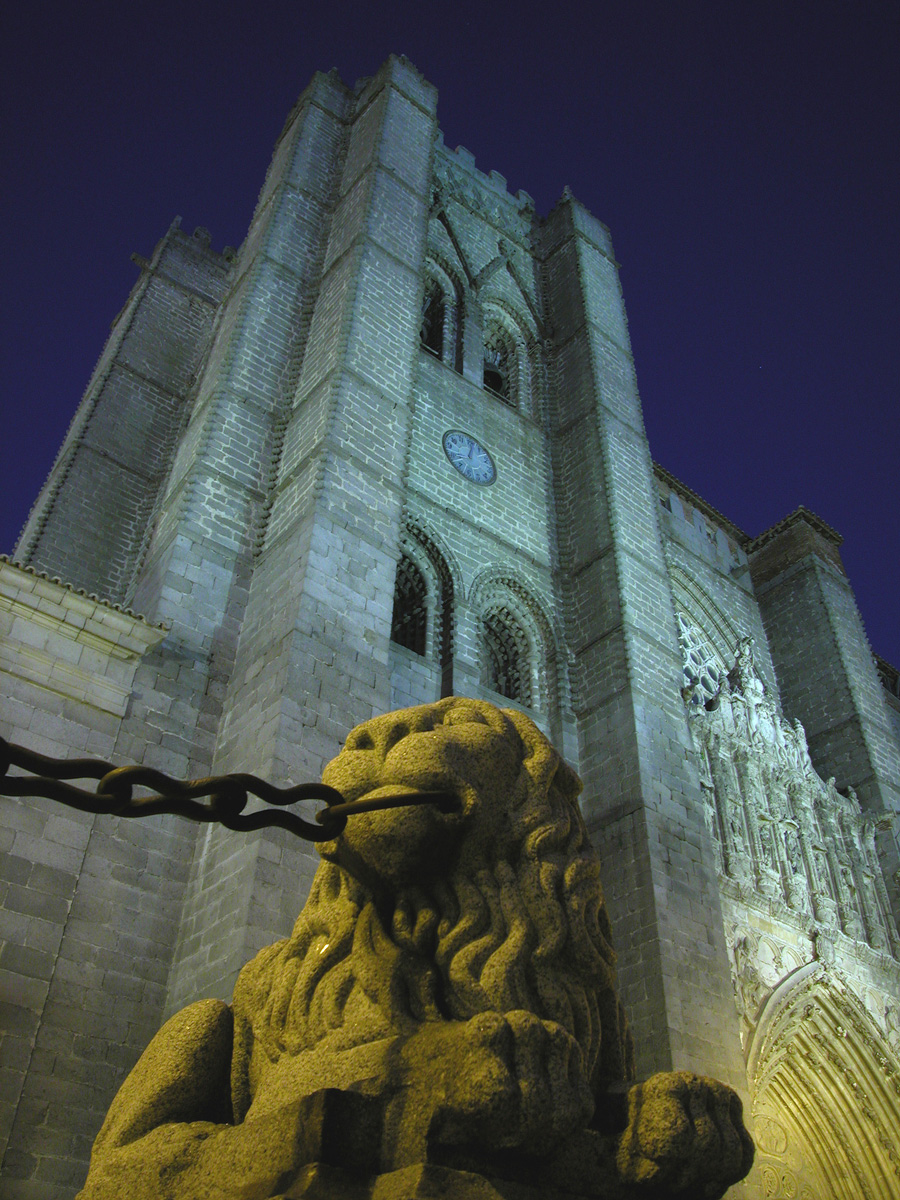
Ávila: Famous for being the Town of Stones and Saints, Ávila possesses one of the best-preserved medieval city walls in the world. With 88 towers and nine gates, the walls encircle a city that was the birthplace of Saint Teresa. Walking the ramparts at sunset provides one of the most evocative views in all of Spain.
The Intellectual Hubs
Salamanca and the University Tradition
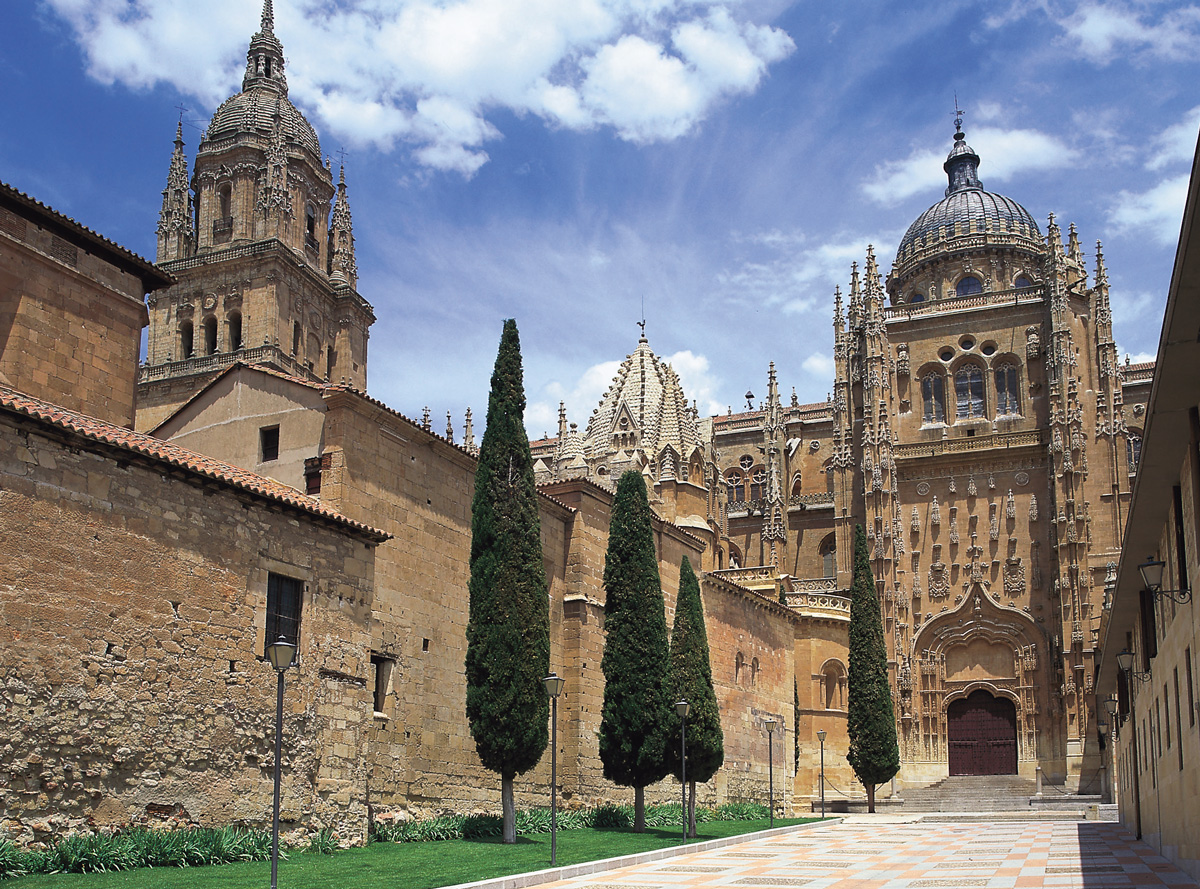
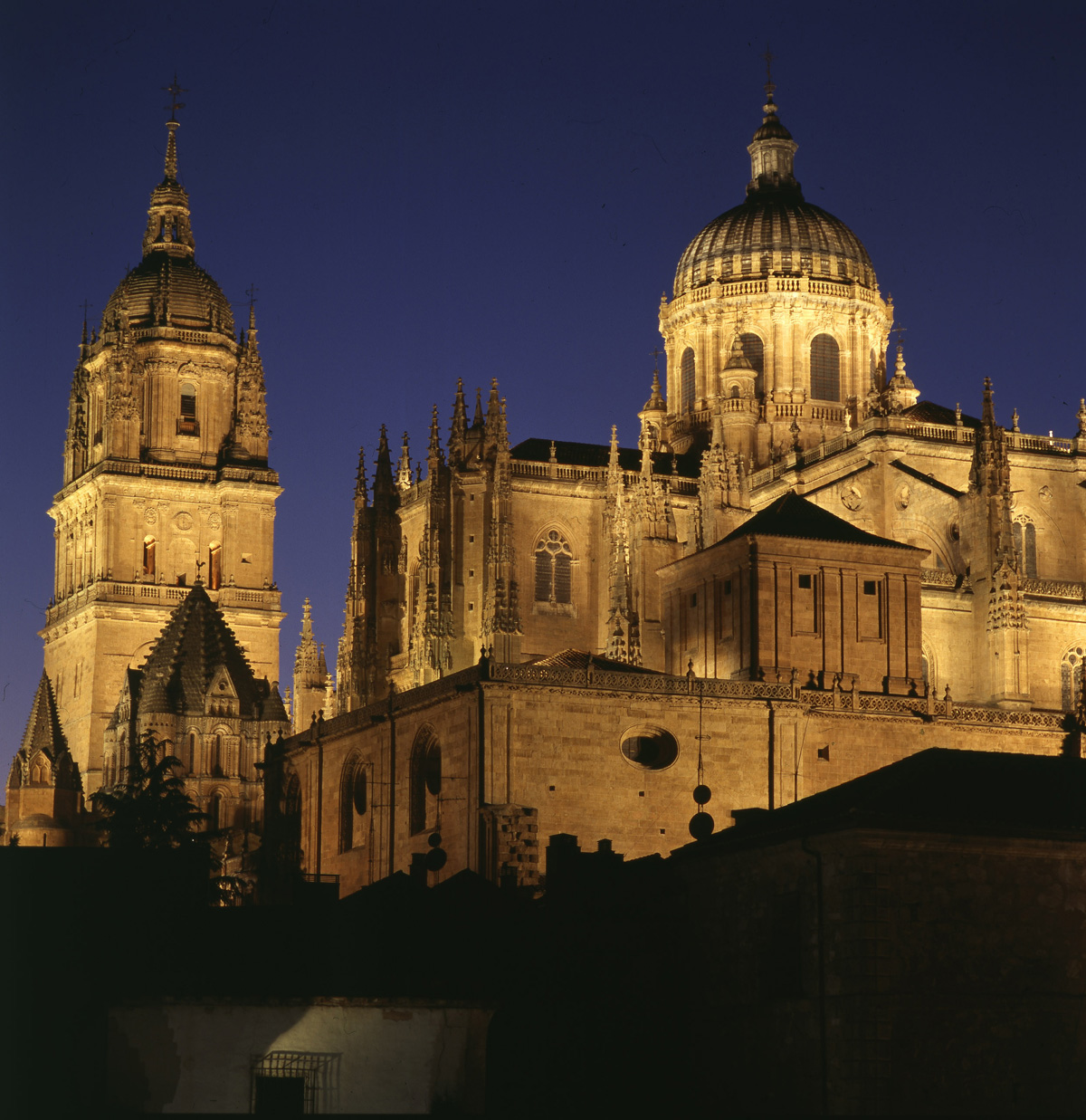
A slightly longer but highly rewarding journey from Madrid leads to Salamanca, often called La Dorada (The Golden City) because of the unique Villamayor stone used in its construction, which glows gold in the light.
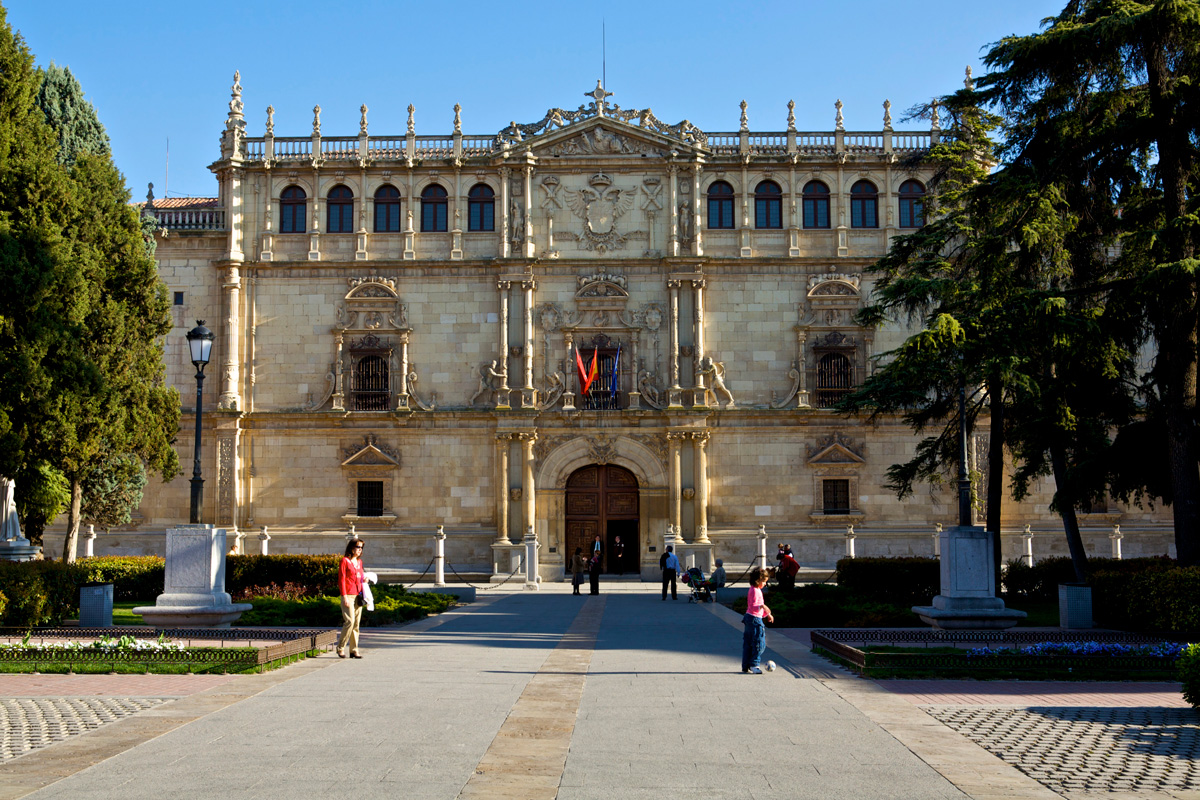
Salamanca is home to one of the oldest universities in the world, founded in 1218. The city’s Plaza Mayor is widely considered the most beautiful square in Spain, a Baroque masterpiece of carved stone and archways. From its twin cathedrals to the intricate ‘Plateresque’ facade of the University, Salamanca represents the height of Spanish intellectual and architectural history.
Travel Tip: The Ease of Access
The beauty of these hidden gems is their proximity to the Spanish capital. Most of these destinations are connected to Madrid via the AVE (high-speed train), making it possible to have breakfast in a modern Madrid café and lunch in a medieval plaza in Toledo or Segovia on the same day. For the Don Quixote route, renting a car is recommended to truly explore the smaller villages and windmills at one’s own pace.